Picture the unmistakable aroma of sizzling meat, the crackle of wood, and laughter echoing through the air as friends and family gather around the fire. Braai (pronounced “bry,” rhyming with “cry”) is more than just cooking over an open flame — it’s a vibrant celebration of community, heritage, and the art of flame-kissed flavor. This time-honored tradition, passed down through generations, is a cultural experience deeply woven into the history of South Africa.
The Origins of Braai
The word “braai” originates from the Afrikaans language and simply means “barbecue” or “grill.” But its roots run much deeper.
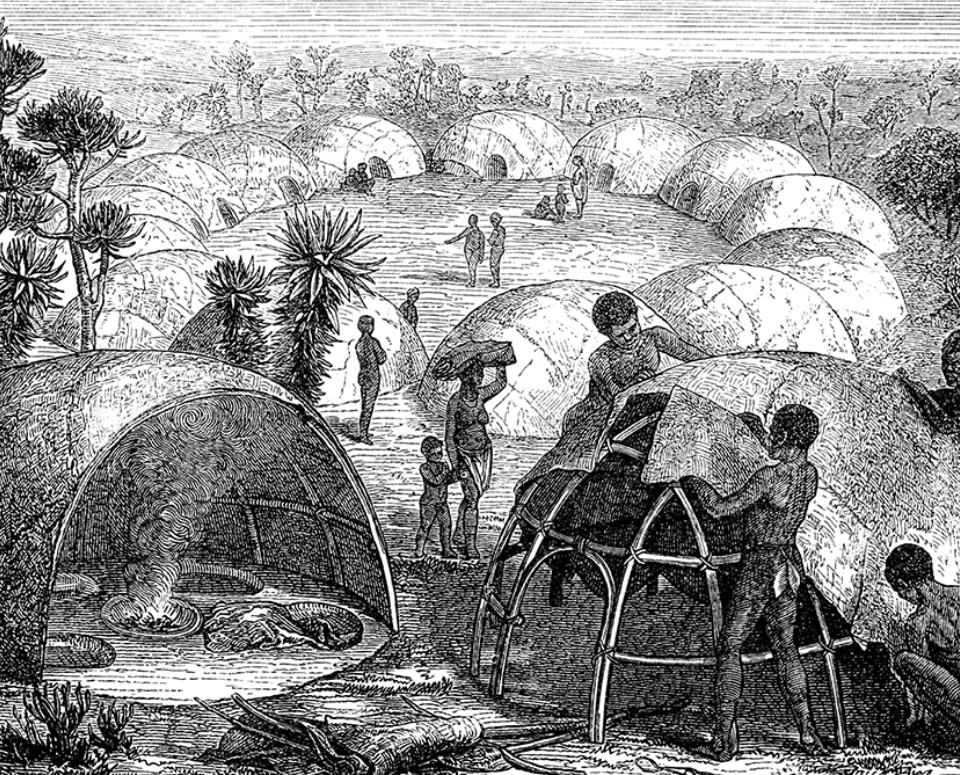
Long before European settlers arrived, the indigenous Khoikhoi and San communities were preparing meat over open flames, a practice passed down through generations. When Dutch settlers landed at the Cape of Good Hope in the 17th century, they brought with them the concept of “braaivleis”—grilled meat—which blended with local customs to form the early foundations of what we now call Braai. This blend evolved over time, integrating African, Dutch, and later British culinary influences, becoming an essential part of South African identity.
Braai Today:
A National Heritage
As South Africa’s multicultural population grew, so did the tradition of the Braai. By the 19th century, British settlers had introduced new elements to the table—chutneys, potato salad, and marinated sausages among them. During the apartheid era, the Braai became more than a method of cooking; it emerged as a powerful symbol of unity and cultural preservation.
In the years that followed, Heritage Day was established as a national holiday on September 24th to celebrate the country’s rich and diverse heritage. Today, it’s widely celebrated as National Braai Day—a time when South Africans from all walks of life gather around the fire, cook together, and share the joy of their rich history (and meat selection).
Key Elements of a Braai

The Fire
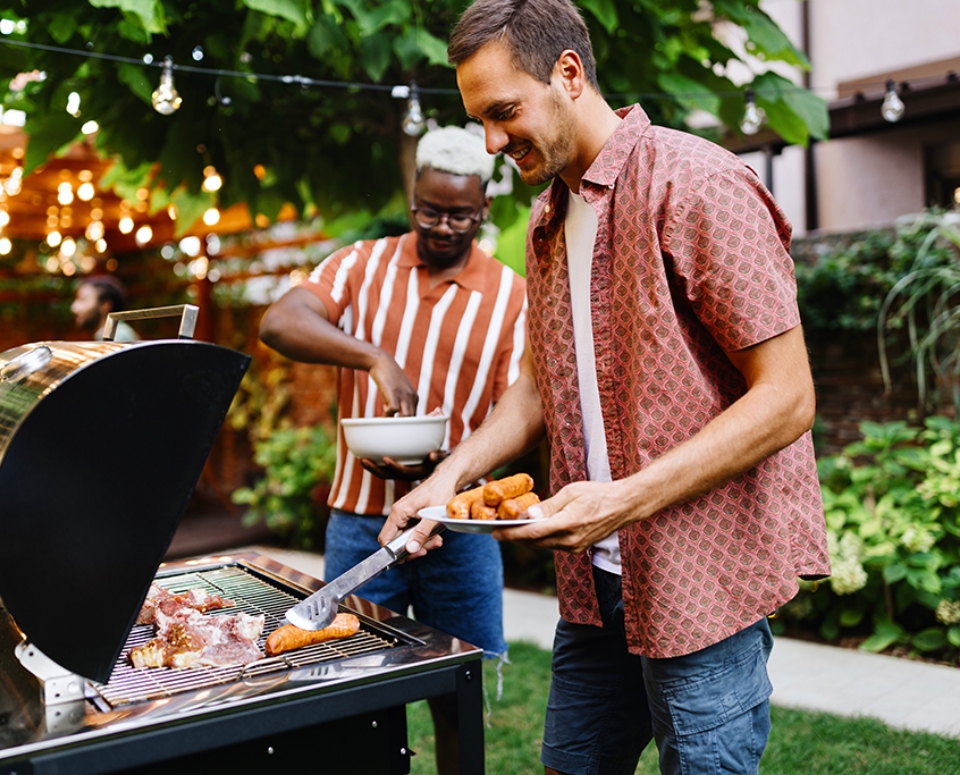
The heart of Braai is the fire itself. Whether it’s a wood-burning open flame or a charcoal grill, the fire is carefully tended to create the ideal cooking temperature and that distinct smoky flavor.

Side Dishes
A Braai isn’t just meat, it’s a feast. Expect staples like pap (a maize porridge), braai broodjies (grilled sandwiches), potato salad, coleslaw, and tangy chutneys.

The Meat
Whether it’s beef, lamb, chicken, pork, or wild game like venison, no grill is complete without boerewors (traditional sausage) or sosaties (skewered marinated meats). The sizzle is just the beginning.

Braai Masters
Every gathering has its hero—the Braai Master. Whether it’s a seasoned chef or a spirited uncle, the Braai Master commands the fire with pride, so make sure to stay out of his way!

Marinades and Spices
South Africans take pride in their marinades and spice blends, which infuse the meat with layers of flavor. From fiery peri-peri blends to garlicky herb marinades, these recipes are often passed down through generations, resulting in secret family blends that make each Braai unique.

Socializing
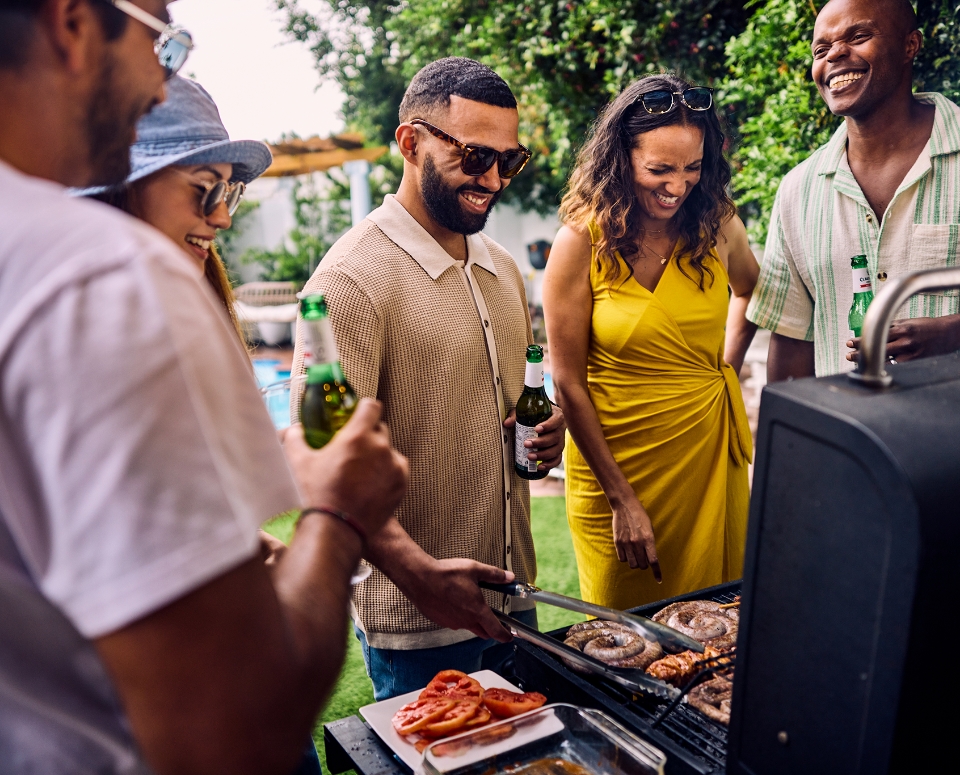
At its core, Braai is about connection. It’s a slow, soulful event—people talking, laughing, sharing stories as the sun dips low and the fire burns high. This is the soul of Braai.
Embrace the Spirit of Braai
Braai is more than just a cooking method; it’s a cultural phenomenon that brings people together over a shared love for food, fire, and community. While deeply rooted in South African culture, the spirit of Braai has inspired similar traditions worldwide. In Australia, it’s known as a “barbecue,” and in the United States, it’s “grilling.” Despite the different names and variations, the essence of coming together to cook and share food remains universal.
Ready to bring the Braai spirit home?
LEARN MORE
What is Biltong
What are Chili Bites?